Design
My name for how products should be made now, and the idea every Stacklumen product is built around: the experience is not packaging around a product’s value. It is how the value arrives.
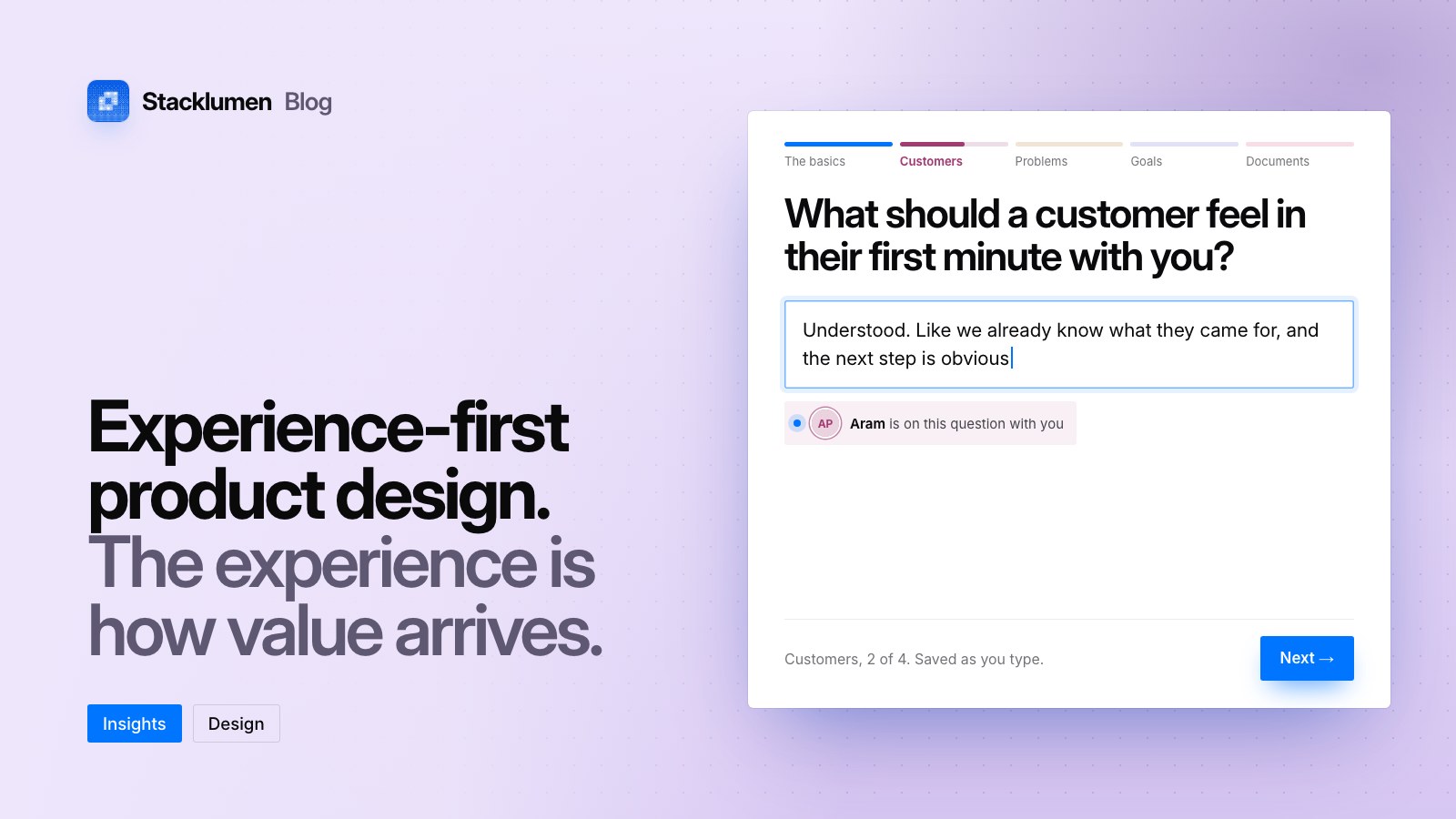
We have just made some of the biggest changes yet to the Stacklumen ecosystem. We added two new products, Lolumen and Constilumen, and released a suite of features that make agency management far more experience-first. That last phrase is the one I want to talk about.
For me, the degree to which an app is experience-first will be the future of product design and product management. I call it experience-first product design, a term I have named and defined for the way I believe products should be made from here on.
For most of software’s history, the product was a list of features and the experience was the wrapper around them. You built the capability, then designed the screens, then marketing explained why any of it mattered. Value was described in one place and delivered in another.
Experience-first product design reverses that. The experience of using a product is not decoration on top of its value. It is how the value is delivered, how people come to understand it, and why they stay.
An experience-first product treats every moment of use as the thing being designed. Not the feature: the moment. The first minute, the first answer, the first time something you made goes live. Three ideas follow from that.
Features have never been easier to copy. Anyone can ship a form, a board or a chart. What cannot be copied quickly is how it feels to get somewhere with a product, and that feeling now decides what people choose, what they recommend and what they keep paying for.
That changes the job of a product team. The roadmap stops being a list of capabilities and becomes a sequence of experiences: what someone should feel at each step, and what they should have achieved by the end. Product management becomes the management of moments. And marketing stops being something that happens around a product. This is my view of how marketing works from here on: it happens inside the product, every time someone uses it and comes away better off.
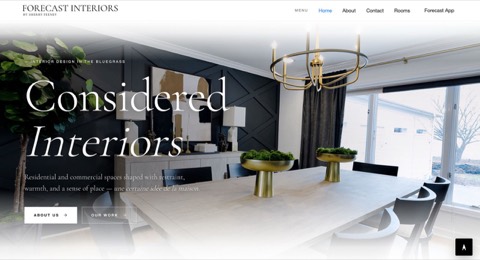
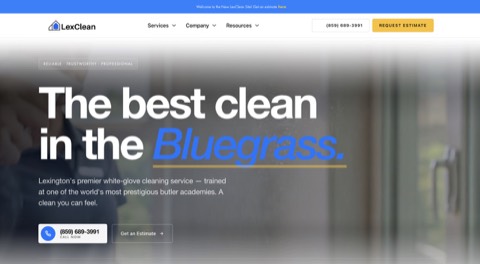
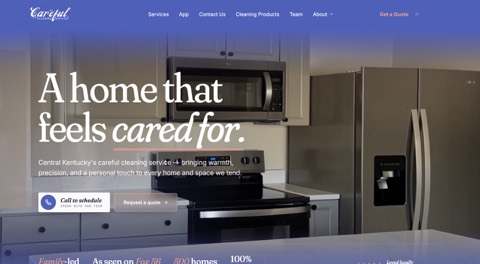
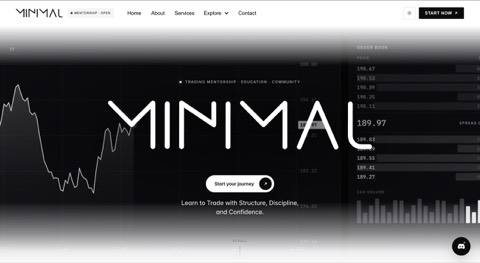
All of our products invite people into an experience that drives value, creates happiness and facilitates success. The clearest example is our branded strategy wizard: a gorgeous, animated experience that guides agency clients and agency staff through a joint, live-edited workspace, designed for mutual business growth.
When an agency starts working with a client, both sides open the same strategy room. A full-screen guide walks them through the business one question at a time (who it serves, what it promises, where it is going), wearing the client’s own logo. They answer together, live: each side sees who else is there and which question they are on, and every answer reaches both of them within seconds. When a chapter is finished, the product marks the moment. And the output is real: a positioning statement, goals with measures, and documents like a business plan and brand guidelines that draw straight from the answers.
It takes the traditional idea of a standalone website-building product somewhere far more integrated: the agency and the client build the business together, not just the site.
The same thinking runs through the rest of what we make:
Every product decision we make now faces one question: does this invite someone into an experience that drives value, creates happiness and helps them succeed? If it does not, it is not finished.
Want to learn more, or start building on the platform? Let me know.